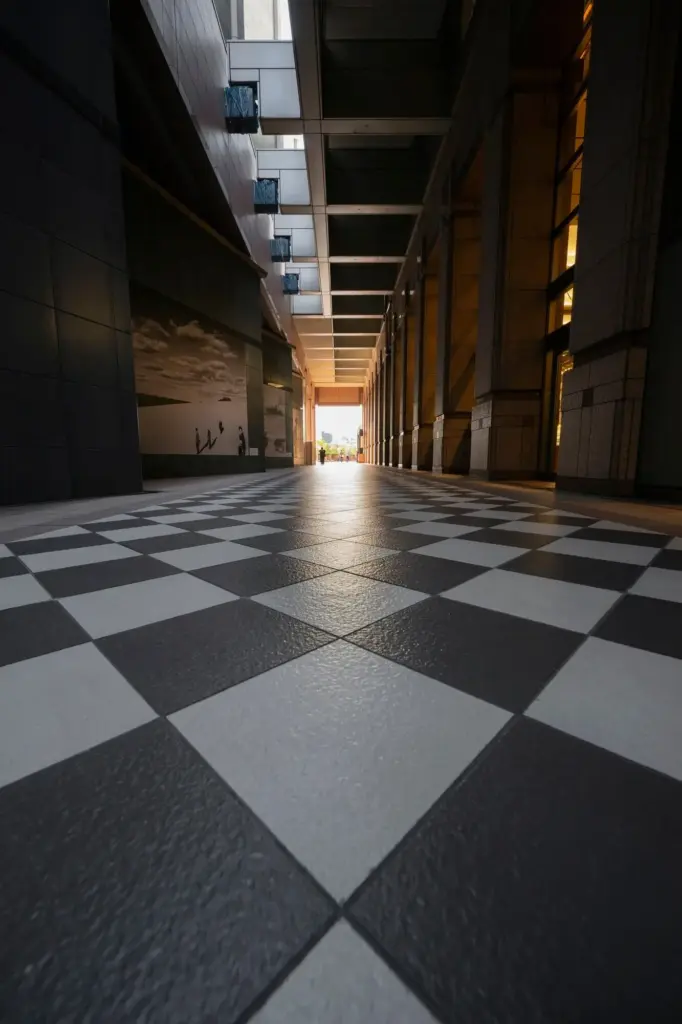
Sculpting Quiet Luxury with Layers of Light


Today we explore layered lighting plans for subtle, high-end ambience, revealing how ambient, task, accent, and decorative sources collaborate to calm visual noise, enrich materials, and choreograph mood. We will pair practical specifications with designer-tested strategies and stories, so you can create interiors that glow with confidence, flatter every finish, and feel luxuriously effortless from sunrise to night. Share your questions as you read and help shape our next deep-dive.

Build the Base: Ambient, Task, Accent, Decorative

The most elegant rooms rely on a deliberate hierarchy of light, where each layer does only what it must and never competes for attention. Start with a gentle ambient field for comfort, add silent task lighting where hands and eyes work, curate accent beams for storytelling, and finish with decorative sparkle that invites conversation. When tuned together with dimming and control, the result feels composed, intimate, and unmistakably high-end.

Color, Quality, and Material Dialogue

Choosing Color Temperature with Intent

Use 2700K where relaxation rules—primary bedrooms, lounges, intimate dining—because the glow flatters skin and settles the mind. Reserve 3000K for kitchens, galleries, and entry halls needing a touch of clarity without clinical bite. If you mix, do so by zone, not within a single view, to avoid disjointed scenes. When in doubt, mock up at night, because daylight can mask imbalances that emerge after sunset.

Color Rendering That Honors Materials

Elevated interiors deserve CRI 95+ and strong R9 so reds, woods, and warm textiles hold depth. Consider TM‑30 metrics for a fuller picture of saturation and hue shift, especially around artwork and natural stone. Low-quality rendering flattens expensive finishes, making everything appear cheaper than it is. Test sample luminaires against actual materials, take photos, and compare under multiple dimming levels to ensure authenticity remains consistent.

Finishes, Sheens, and Reflectance

A satin wall may bounce light more pleasantly than a glossy one, reducing hotspots near seating. Dark stones need carefully aimed beams to reveal texture without glare, while brushed metals reward soft grazing rather than direct hits. Consult reflectance values and choose optics strategically to avoid unintended sparkle. Align fixture trim colors with ceiling finishes, keeping sightlines clean and quiet. Luxury arrives through precision, not abundance.

Dimmers, Scenes, and Intuitive Control

A refined plan is incomplete without responsive control. Scenes choreograph layers for morning clarity, afternoon focus, and evening softness, while smooth dimming protects the mood from flicker and color shift. Keep interfaces minimal, automate where helpful, and ensure manual overrides remain simple. The best systems disappear into routine—welcoming guests, supporting rituals, and shifting effortlessly from task to toast without anyone asking, “Where is the switch?”

Scene Crafting for Daily Rituals

Build scenes around lived moments: coffee at dawn, homework on the island, late-night conversation. Assign only essential layers to each scene, then tune levels in small increments until the room feels naturally composed. Save nighttime paths with low, warm cues for safety without wakefulness. When friends visit, a single “company” preset should flatter faces, calm corners, and accent art—no fiddling or explanations required.

Smooth Dimming, No Flicker Surprises

Specify drivers and dimmers tested together, targeting deep, silent dimming that holds color across the curve. Verify low-end performance on site, because catalogs can deceive. Avoid noticeable steps or pulsing when recording video, and consider phase versus 0–10V or DALI based on fixture families. Flicker erodes comfort and luxury faster than poor hardware can; invest here and everything downstream reads more expensive.

Cove Profiles and Sightlines

A well-detailed cove conceals LEDs and shields brightness from seating positions. Choose reflector finishes that keep the channel invisible, maintain even spacing, and terminate gracefully at corners. Calculate lumen density to prevent scallops on the ceiling. Consider access for maintenance and choose drivers in reachable locations. When the ceiling floats on light without visible sources, the entire space feels taller, calmer, and notably more sophisticated.

Recessed and Regressed Done Right

Regressed downlights reduce glare and add polish, but spacing and beam selection matter. Avoid grid-like layouts; instead, light surfaces and tasks. Keep trims consistent in color and aperture, and coordinate with sprinklers and speakers to avoid visual clutter. Aim adjustable fixtures to walls and art, not heads, and test at night before finalizing. Measure sightlines from seating to confirm nothing shines directly into eyes.

Comfort First: Glare, Beams, and Photometrics

High-end ambience relies on visual comfort more than high lumen counts. Control glare with cut-off angles and regress, shape beams to illuminate surfaces rather than air, and size distributions to fit furniture layouts. Use photometrics to predict outcomes, then validate with on-site mockups. When eyes relax and contrast is intentional, materials glow, faces look great, and the room feels effortlessly composed for hours.

Glare Control Strategies

Treat glare as the enemy of luxury. Choose fixtures with deep shielding, black or low-sheen baffles, and precise aiming away from seating. Keep bright apertures out of key sightlines, and add wall light to raise overall brightness gently. If surfaces are glossy, reduce angle of incidence or change sheen. Comfortable eyes extend conversations, which is the true test of an inviting environment.

Beam Angles that Serve the Story

Narrow beams dramatize objects; wider floods calm them. Use 10–15° for sculptures or tall florals, 25–36° for art and focal pieces, and 60° plus for general wall wash. Blend overlaps to avoid scallops, and dim accents slightly lower than task light at night. Always aim to surfaces so brightness lives on walls and tables, anchoring scenes without visual noise overhead.

Brightness Hierarchy, Not Brightness Everywhere

Spaces feel expensive when light is intentional, not uniform. Establish a bright focal area, a supportive mid-field, and a soft periphery. This hierarchy guides movement and creates depth. Dimming refines the gaps between levels so transitions feel natural. Measure with a light meter if needed, but trust perception too—people sense harmony before they notice numbers. Edit bravely, and remove any layer that feels redundant.

A City Apartment, Reimagined with Light

A client’s compact apartment felt busy despite impeccable finishes. We mapped layers to behaviors instead of rooms: soft hallway guidance, living accents for art, task beams tucked into millwork, and dining pendant sparkle on dimmable control. After dark, the space expanded emotionally—materials deepened, views framed, and conversation stretched. Their text the next morning said it all: “It finally feels like us.” Share your own before-and-after stories below.

Sustainable Sophistication that Lasts

Spec Once, Maintain Gracefully

Prioritize manufacturers with consistent color bins, available replacement parts, and clear documentation. Keep drivers in accessible locations and label circuits logically. Stock a small kit of matching modules for quick swaps. Maintenance then becomes predictable and dignified, not disruptive. When a space ages without visible patchwork, the ambience reads intentional, not improvised. Good stewardship protects both comfort and the story your lighting tells every evening.

Energy Without Austerity

Efficiency should never flatten atmosphere. Pair high-efficacy sources with thoughtful dimming curves that protect warmth at low levels. Use daylight sensing near windows to lower output invisibly, and reserve brighter accents only where the eye benefits. By lighting surfaces rather than air, you reduce wattage while increasing perceived brightness. Guests remember the feeling, not the fixtures, and your utility bills quietly applaud the restraint.

Future-Proofing with Modularity

Select luminaires with interchangeable optics and field-replaceable engines, so a refresh means a small part, not renovation. Standardize color temperature across families to avoid mismatched scenes later. Run spare conduits where new accents might live. As collections change and art rotates, your system adapts elegantly. Flexibility is a hallmark of luxury—spaces should evolve with their owners, keeping the same calm glow and impeccable control.
Kolilimanikoxokozi
Privacy Overview

This website uses cookies so that we can provide you with the best user experience possible. Cookie information is stored in your browser and performs functions such as recognising you when you return to our website and helping our team to understand which sections of the website you find most interesting and useful.